The Ultimate Guide to Toolbox Talks for Construction Safety

Understanding the Importance of Toolbox Talks in Construction Safety
Safety on construction sites is paramount. With numerous hazards and risks, ensuring every worker is aware and prepared is crucial. One effective method to promote safety is through regular toolbox talks. These brief, focused sessions can significantly enhance safety awareness and reduce accidents. In this guide, we’ll explore what toolbox talks are, their importance, and how to conduct them effectively.
What are Toolbox Talks?
Toolbox talks are short safety meetings held on construction sites. They are designed to inform workers about specific safety issues, promote a culture of safety, and ensure everyone is aware of potential hazards. Typically lasting around 10-15 minutes, these talks are usually conducted at the start of the workday or before a new task begins.
Importance of Toolbox Talks
-
Enhances Safety Awareness: Regular toolbox talks keep safety at the forefront of workers’ minds. By continually discussing safety topics, workers are more likely to remember and follow safety procedures.
-
Reduces Accidents: By addressing specific hazards and discussing how to mitigate them, toolbox talks can significantly reduce the number of accidents on site.
-
Promotes Open Communication: These talks encourage open communication between workers and supervisors. Workers can voice their concerns, and supervisors can address any safety issues promptly.
-
Ensures Compliance: Regular safety talks help ensure compliance with health and safety regulations. They provide a documented record of ongoing safety training and awareness.
How to Conduct Effective Toolbox Talks
-
Choose Relevant Topics: Select topics that are relevant to the current work being performed. For example, if workers are using heavy machinery, discuss the specific safety procedures for operating those machines.
-
Keep it Short and Focused: Toolbox talks should be brief and to the point. Aim for 10-15 minutes and focus on one specific topic to ensure it’s effectively communicated.
-
Use Visual Aids: Visual aids, such as diagrams or demonstration videos, can help make the information more engaging and easier to understand.
-
Encourage Participation: Involve workers by asking questions and encouraging them to share their experiences or concerns. This makes the talk more interactive and engaging.
-
Provide Handouts: Distribute handouts or checklists that workers can refer to after the talk. This reinforces the information and provides a handy reference.
-
Document the Talk: Keep a record of each toolbox talk, including the topic, date, and attendees. This documentation is essential for compliance and can help track safety training over time.
Popular Toolbox Talk Topics
-
Personal Protective Equipment (PPE): Discuss the importance of wearing the correct PPE and how to properly use and maintain it.
-
Fall Protection: Address the risks of working at heights and the measures that can be taken to prevent falls.
-
Hazard Communication: Ensure workers understand how to read and interpret safety signs and labels, and know where to find Material Safety Data Sheets (MSDS).
-
Machine Safety: Cover the safe operation of machinery, including lockout/tagout procedures and guarding requirements.
-
Manual Handling: Discuss proper lifting techniques and the importance of using mechanical aids to prevent musculoskeletal injuries.
-
Electrical Safety: Highlight the dangers of working with electricity and the precautions that should be taken to prevent electrical injuries.
-
Fire Safety: Discuss fire prevention measures, emergency procedures, and the proper use of fire extinguishers.
-
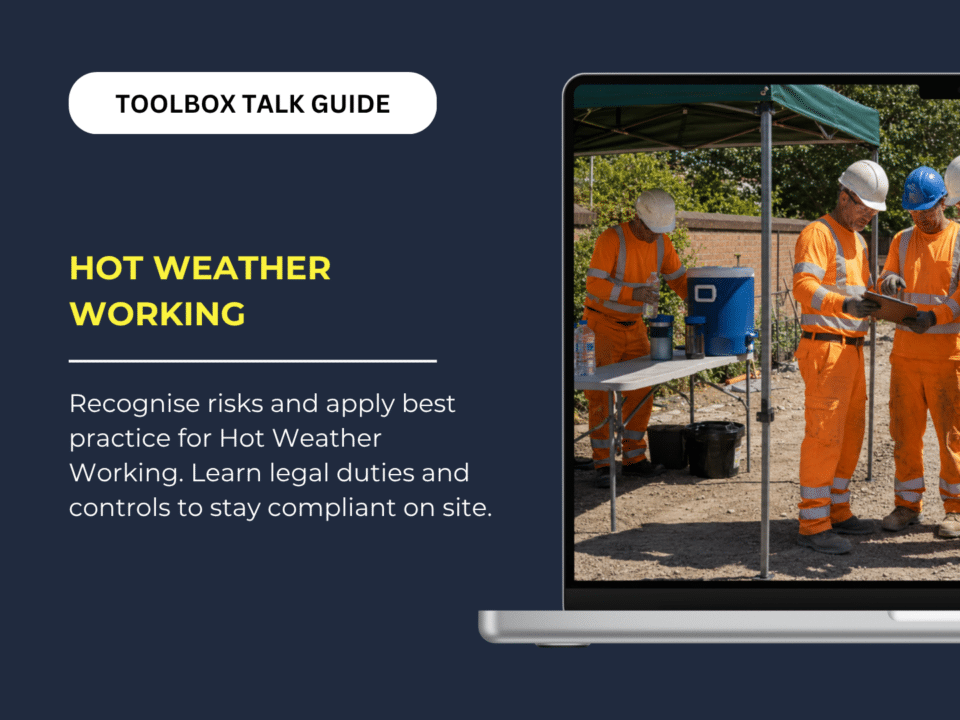
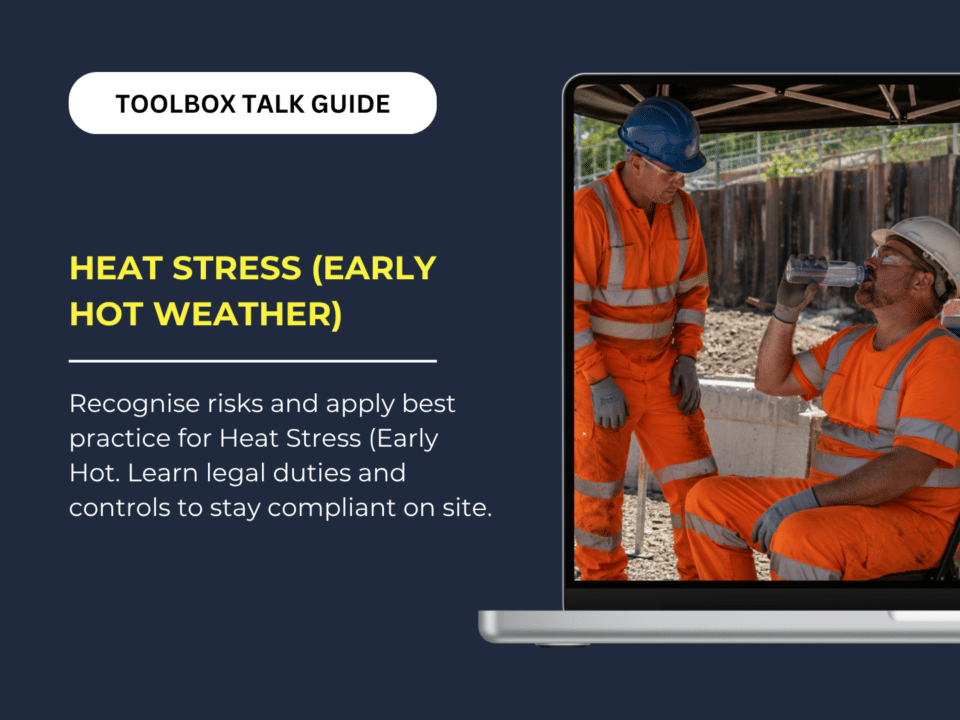
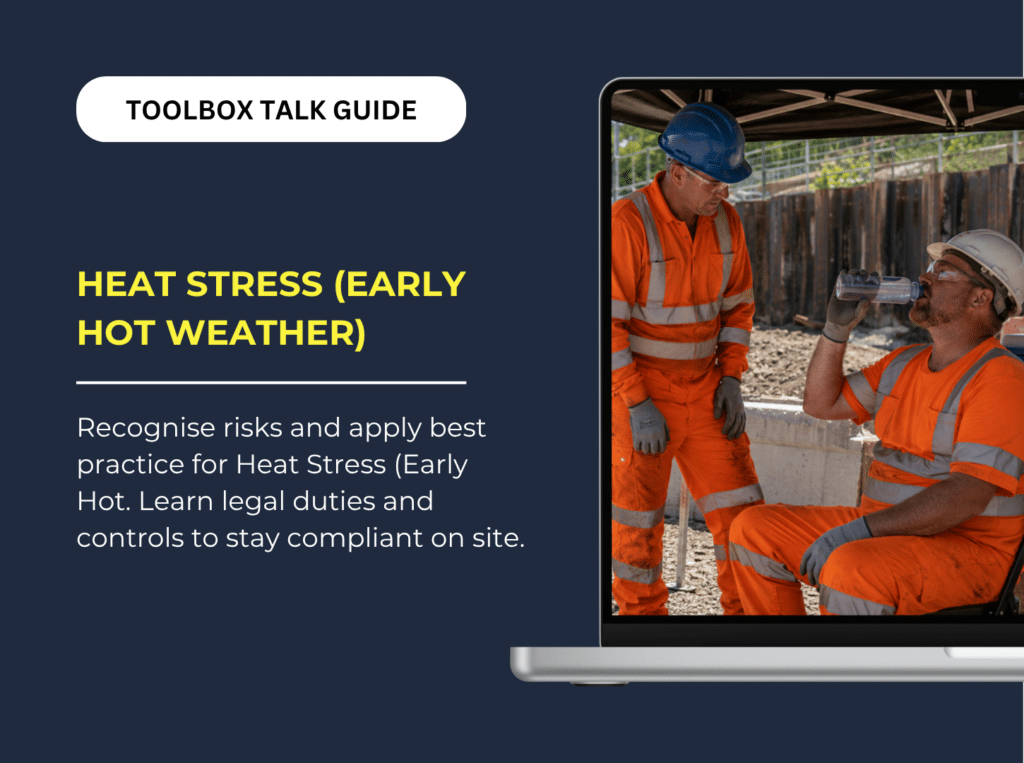
Heat Stress: Address the signs and symptoms of heat stress and how to prevent it, especially during the summer months.
-
Cold Weather Safety: Discuss the risks of working in cold weather and the steps that can be taken to prevent cold-related illnesses and injuries.
-
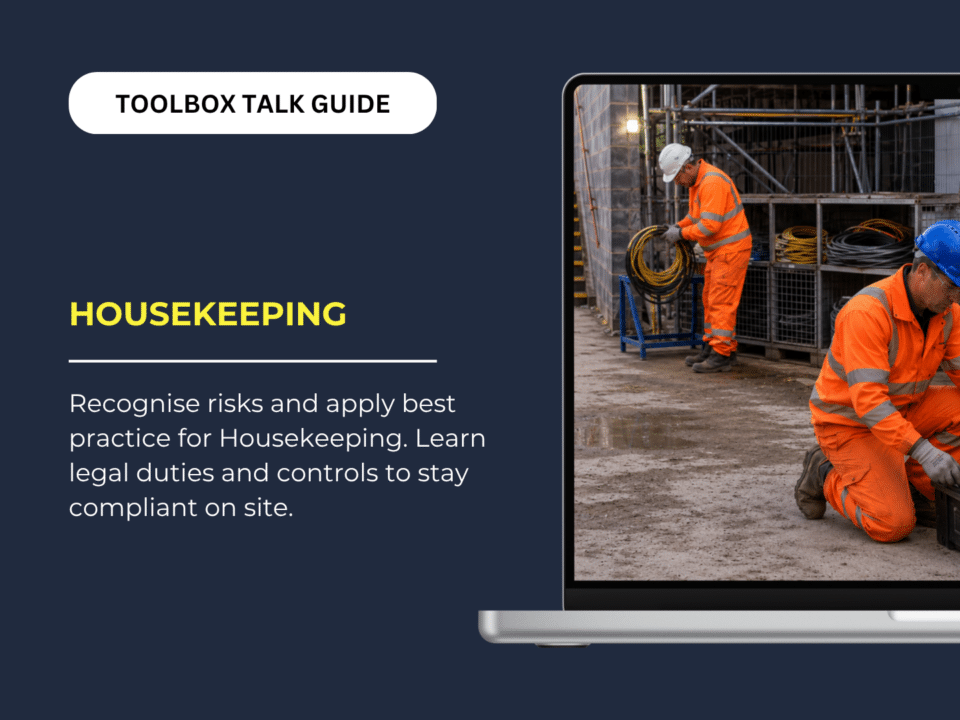
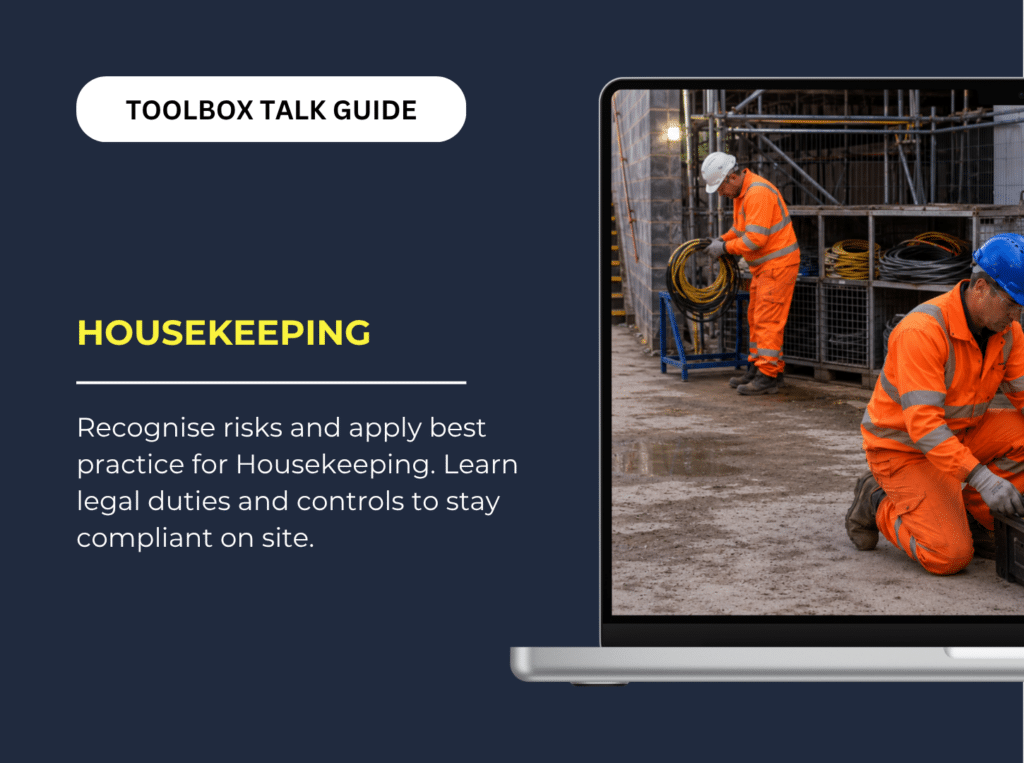
Site Housekeeping: Emphasize the importance of keeping the worksite clean and organized to prevent slips, trips, and falls.
Tips for Effective Toolbox Talks
-
Prepare in Advance: Plan your talks ahead of time. Gather any necessary materials and make sure you understand the topic thoroughly.
-
Be Consistent: Hold toolbox talks regularly, whether it’s daily, weekly, or before starting a new project. Consistency helps reinforce the importance of safety.
-
Make it Interactive: Encourage questions and discussion. The more interactive the talk, the more likely workers are to engage and remember the information.
-
Use Real-Life Examples: Share real-life incidents or near-misses to illustrate the importance of the topic. This can make the information more relatable and impactful.
-
Follow Up: After the talk, follow up on any issues or concerns raised. Show that you take their input seriously and are committed to maintaining a safe work environment.
Conclusion
Toolbox talks are a simple yet powerful tool to enhance safety on construction sites. By regularly discussing relevant safety topics, encouraging open communication, and reinforcing safety procedures, you can create a safer and more productive work environment. Remember, safety is everyone’s responsibility, and toolbox talks are a key part of fostering a culture of safety.
Step into the future of construction safety with Paperless.
View our online Demo now to discover more about our solutions and how they can add value to your projects.
Ready to Reduce Site Admin?
See Paperless in action.
Take a closer look at how Paperless can help you replace paperwork, improve visibility and keep project records easier to find and prove.