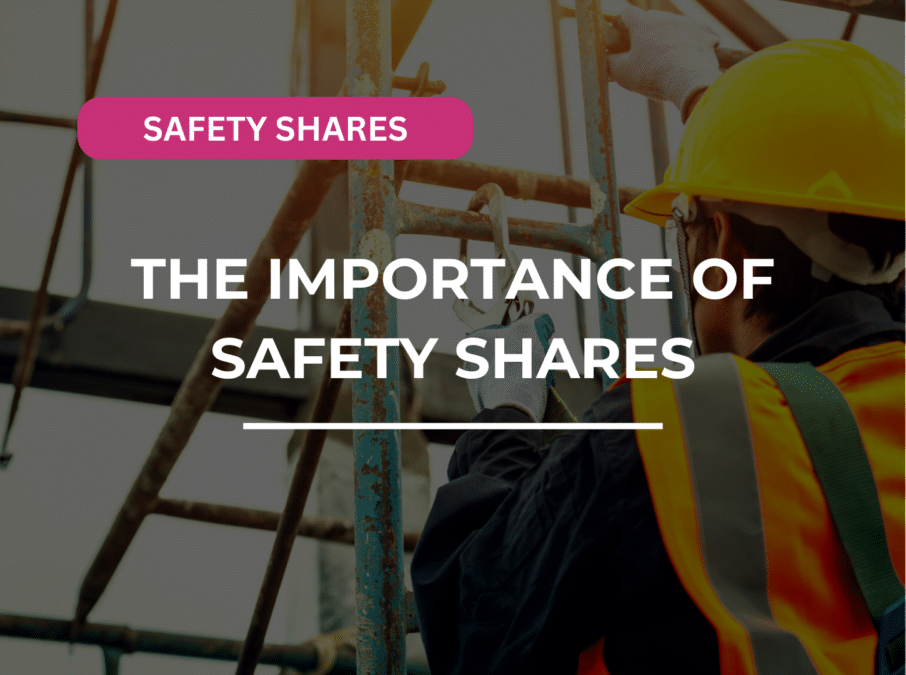
The Importance of Safety Shares in the Workplace
Why Safety Shares are Important
What Is a Safety Share?
A safety share is a short, focused discussion about a specific safety topic, usually conducted before starting a shift or task. These discussions serve as quick reminders that reinforce workplace safety protocols and best practices. Unlike lengthy safety meetings, safety shares are brief yet impactful, designed to be easily absorbed by employees across various industries, including construction, manufacturing, and engineering.
A well-executed safety share can be as simple as discussing the proper use of personal protective equipment (PPE) or highlighting recent near-miss incidents to reinforce a culture of vigilance. By embedding these moments into daily operations, businesses can create an environment where safety becomes second nature.
Why Are Safety Shares Important?
Safety shares play a crucial role in fostering a culture of safety within the workplace. Here’s why they matter:
1. Preventing Workplace Accidents
Regular safety discussions help reduce workplace incidents by addressing potential hazards before they escalate. They serve as proactive measures to mitigate risks, ultimately protecting workers from injuries and fatalities.
2. Enhancing Employee Awareness
Employees may become complacent over time, especially when performing routine tasks. Safety shares act as gentle reminders, reinforcing the importance of vigilance and adherence to safety protocols.
3. Encouraging Open Communication
When employees actively participate in safety shares, they are more likely to report unsafe conditions, suggest improvements, and engage in safety discussions. This open dialogue fosters a collaborative approach to workplace safety.
4. Boosting Compliance and Accountability
By integrating safety shares into daily workflows, companies can ensure ongoing compliance with industry regulations and standards. Employees become more accountable for their own safety and that of their colleagues.
5. Reducing Costs Associated with Incidents
Workplace accidents result in downtime, compensation claims, and potential legal liabilities. A strong safety culture, reinforced by regular safety shares, helps organizations avoid these costs and maintain productivity.
How to Conduct an Effective Safety Share
1. Keep It Short and Relevant
A safety share should last no more than 5-10 minutes. Choose topics that are directly applicable to the tasks at hand and align with workplace safety objectives.
2. Use Real-World Examples
Employees connect better with safety discussions when they are based on actual incidents or near misses. Sharing case studies or personal experiences makes the message more relatable and impactful.
3. Encourage Participation
Rather than delivering a one-sided talk, involve employees by asking questions, seeking their input, or having them share their own safety experiences.
4. Demonstrate Key Points
Whenever possible, use visual aids, props, or hands-on demonstrations to reinforce the message. Seeing a concept in action enhances understanding and retention.
5. Follow Up on Previous Safety Topics
Reinforce previous safety discussions by following up on actions taken or improvements made based on prior safety shares. This continuity keeps safety top-of-mind.
Real-World Safety Share Examples
Construction Industry:
A construction crew discusses the dangers of working at heights, using a recent incident where a worker slipped but was saved by proper harness use. This example underscores the importance of fall protection gear and adherence to safety procedures.
Manufacturing Sector:
Factory workers review a near-miss involving improper lockout/tagout procedures, reinforcing the need for machinery safety protocols before performing maintenance tasks.
Oil & Gas Industry:
A team working on offshore rigs shares insights from a past explosion caused by flammable gas buildup. The discussion highlights the importance of gas detection systems and proper ventilation.
Measuring the Effectiveness of Safety Shares
Ensuring that safety shares lead to tangible improvements requires tracking their impact. Here are a few methods to measure effectiveness:
1. Monitoring Incident and Near-Miss Reports
A decline in workplace incidents or an increase in near-miss reporting can indicate that safety shares are raising awareness and preventing accidents.
2. Employee Engagement Surveys
Gathering feedback from employees on the relevance and impact of safety discussions can help fine-tune the approach for better engagement.
3. Compliance Tracking
Using digital tools like Paperless Construction, companies can track attendance, document safety briefings, and ensure that key safety protocols are consistently reinforced.
4. Supervisor Observations
Supervisors can assess whether employees are implementing safety share takeaways in their daily tasks, helping gauge the real-world application of safety discussions.
How Digital Solutions Streamline Safety Shares
A digital platform like Paperless Construction allows businesses to integrate safety shares seamlessly into their workflow. By providing tools for recording attendance, automating compliance tracking, and storing safety discussions for future reference, companies can ensure that safety remains a core operational priority.
Conclusion
By embedding safety shares into daily routines, businesses can foster a proactive safety culture, reduce workplace risks, and ensure compliance. Whether in construction, manufacturing, or industrial sectors, prioritizing safety discussions leads to a safer, more engaged workforce.
Download Brochure

Effortlessly Manage your Health & Safety Compliance with Paperless
Enhance workforce management, ensuring safety compliance and real-time data sharing, so your team always has the right information at their fingertips.
Download our Brochure to discover how Paperless can add value to your projects.
 Automate Workforce Management
- Ensure Safety Compliance
- Real-Time Data Sharing
- Flexible Access and offline capability